
Public discovery and trust
Commission a website when prospective patients or customers must find the service, understand its boundaries, assess the provider and take a qualified next step without signing in.

DIGITAL EXPERIENCE ARCHITECTURE / SERVICE 01
Blackstone architects the public website, secure web applications, native iOS experiences and backend workflows around how each practice actually operates. The right surface is selected by the customer task, trust boundary and staff handoff - not by platform fashion.
SURFACE DECISION
Commission a website when prospective patients or customers must find the service, understand its boundaries, assess the provider and take a qualified next step without signing in.
Commission a web app when known users return to requests, permitted documents, status and repeatable tasks that need identity, ownership and cross-device access.
Commission native iOS when repeat use, biometric access, consented notifications or justified device capabilities materially improve the service beyond a responsive browser experience.
BLACKSTONE DIGITAL EXPERIENCE SYSTEM
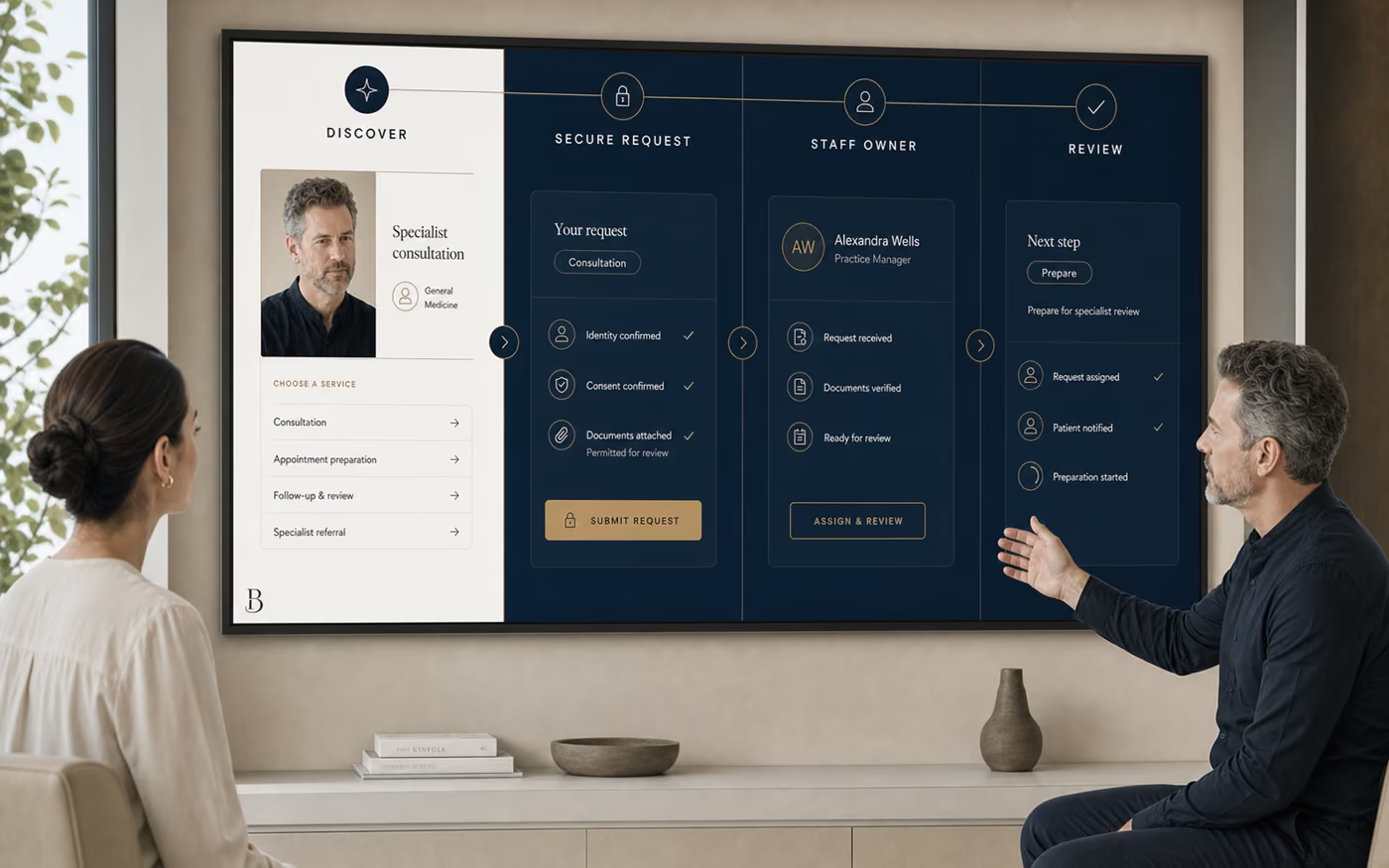
One architecture across the customer journey
Blackstone starts with the operating journey and then assigns each moment to the right surface. Public content remains easy to discover. Authenticated work enters a controlled customer record. Staff receive owned queues and decision gates. Management evidence comes from the same workflow instead of a separate reporting interpretation.
Explain services, practitioners, preparation, evidence and next steps in language people can find and understand.
Separate broad practice discovery from focused campaigns, referrals and high-intent service decisions.
Introduce sign-in only where a known patient, referrer or customer needs private access or repeat service.
Turn permitted digital actions into shared request records, statuses, notifications and integration events.
Route work into role-specific queues with owners, review states, exceptions and accountable communication.
Measure completion, handoff and access exceptions without inventing performance targets before a baseline exists.
The public website does not become a clinical intake record. External users do not inherit workforce permissions. Clinical judgement, sensitive release and privileged administration remain explicit human decisions.
ILLUSTRATIVE PLATFORM CASE / PRIVATE MEDICAL
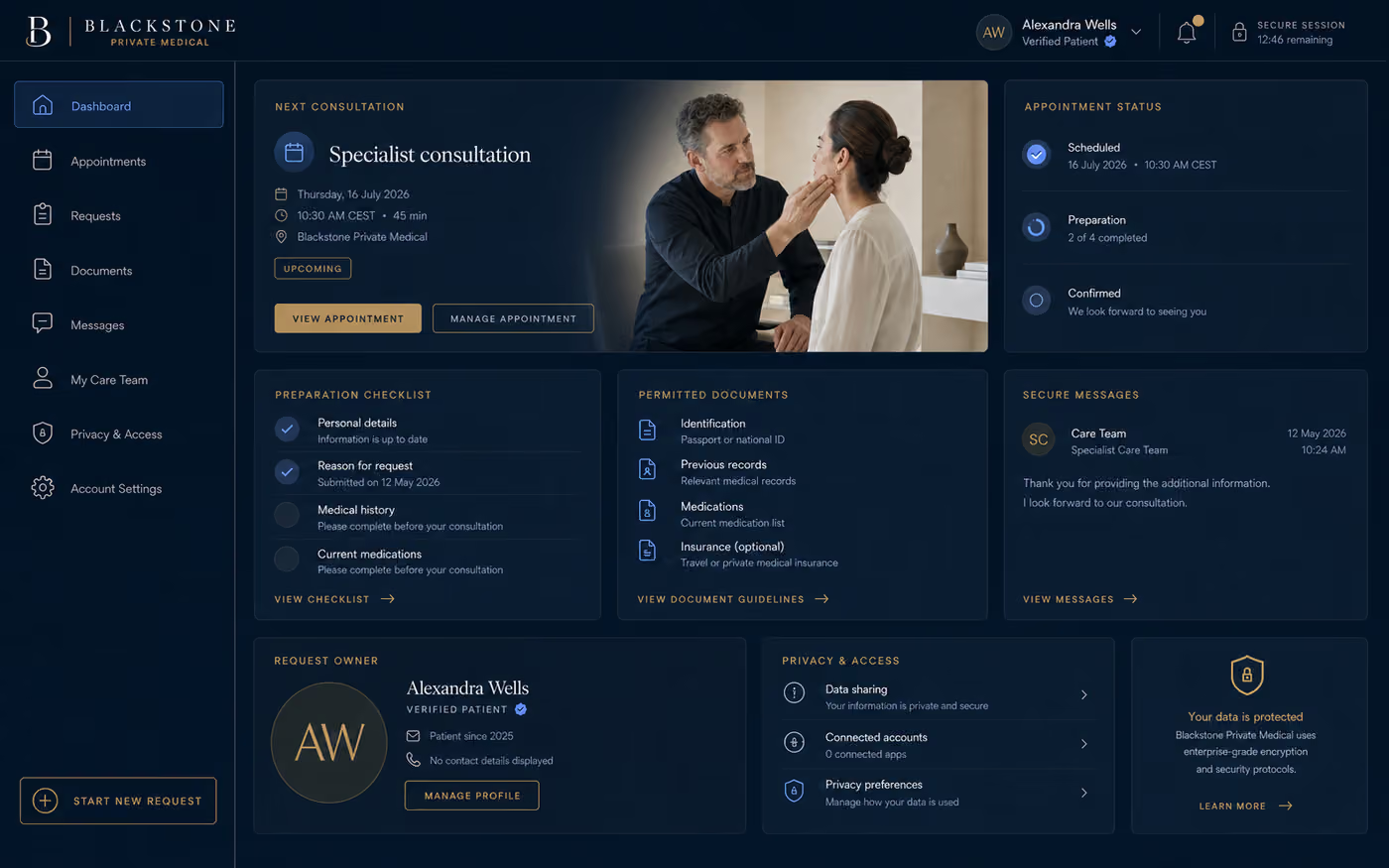
A new patient may discover the practice through search, a returning patient may need a secure browser task, and an established relationship may justify a native mobile service. Reception and management still need one operating record behind every surface. Blackstone separates those product roles before design begins, then connects them through a shared backend, identity model and accountable workflow.
Public Website
Services, practitioners, preparation guidance, trust evidence and appropriate contact paths are organised around the questions a patient or referrer needs answered first.
Secure Web App
Authenticated users can make permitted requests, provide approved documents and see a bounded service status without relying on repeated reception calls or unsecured message chains.
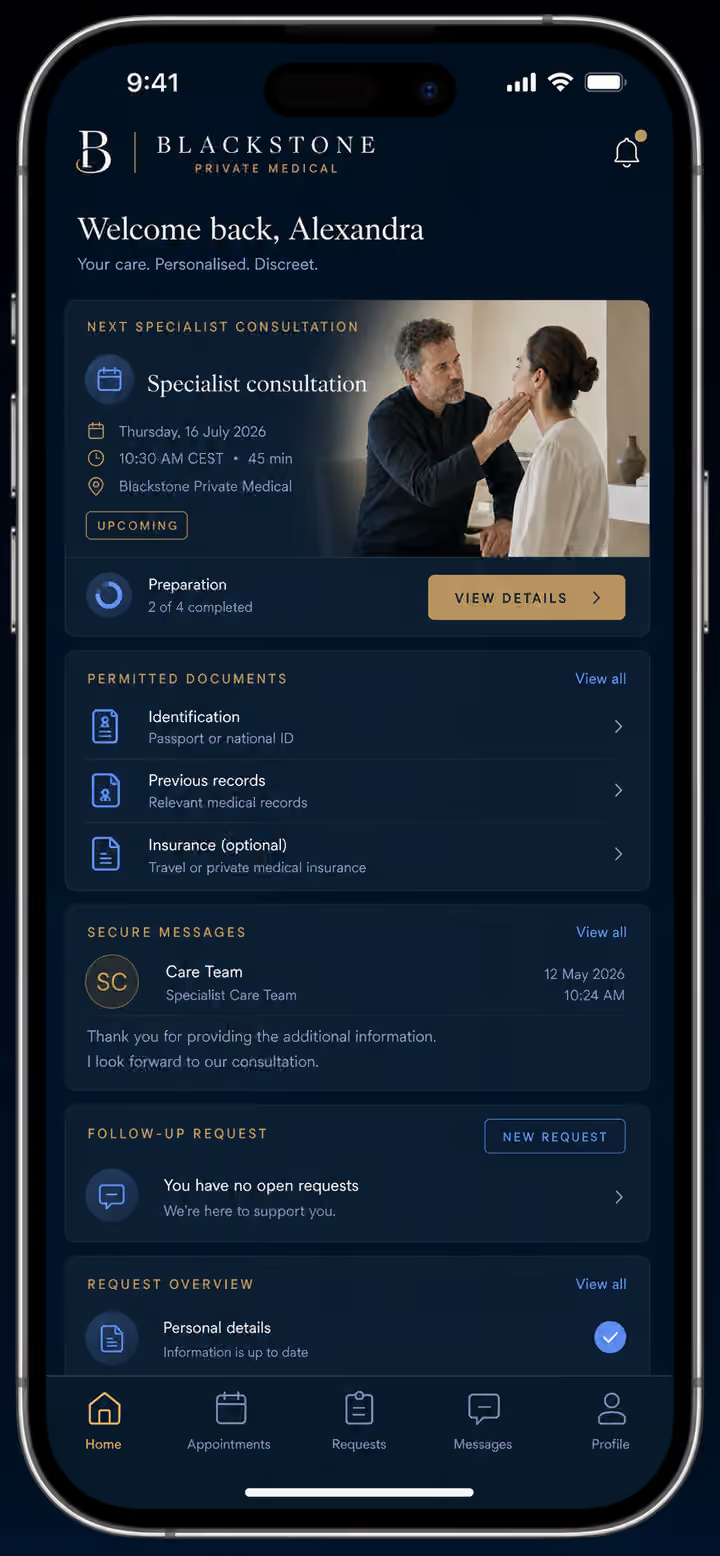
Native iOS App
Returning patients can manage selected appointments, preparation steps and consented reminders through a focused native experience when biometric access or device capability creates real operating value.
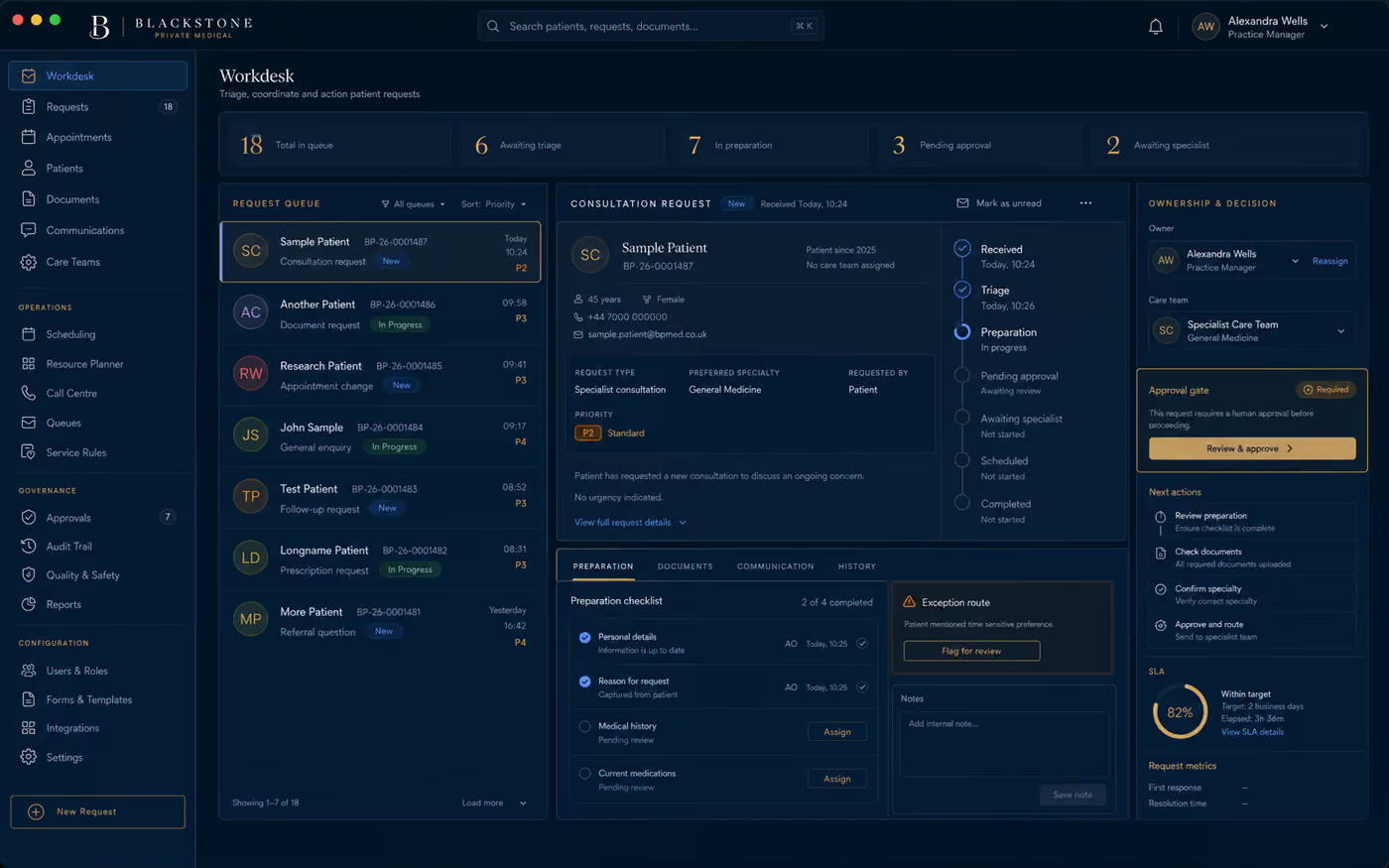
Staff and Backend
Reception, specialist teams and management receive role-specific queues, decision states, approved communications, audit evidence and integration controls behind the calm public experience.
SURFACE COMPARISON
| Decision | Public Website | Secure Web App | Native iOS App | Staff and Backend |
|---|---|---|---|---|
| Primary user | Prospective patient or referrer | Known patient or approved referrer | Returning patient | Reception, specialist staff and management |
| Primary job | Understand and choose a next step | Submit, return and track | Act quickly on recurring mobile tasks | Own, review and resolve work |
| Identity boundary | Public access | External authenticated access | External identity plus device protection | Workforce roles and admin step-up |
| Shared record | Qualified inquiry reference | Request, document and status | Appointment or follow-up task | Owner, decision, exception and audit |
| Human gate | Sensitive intake routes to staff | Sensitive release requires review | Medical advice remains outside automation | Clinical and privileged decisions stay accountable |
| Evidence | Task and inquiry completion | Validation and unresolved age | Repeat use and handoff | Assignment, approval and access exceptions |
Public Website
Secure Web App
Native iOS App
Staff and Backend
FIRST COMMISSION
Website, web app and native iOS are not competing design styles. They are different investments with different users, trust boundaries, operating depth and evidence requirements.

PUBLIC WEBSITE AND LANDING PAGES
Blackstone structures the public experience around the service decisions buyers must make before a private relationship begins. Positioning, service architecture, practitioner or company evidence, preparation guidance, search intent and inquiry routing become one coherent system. The website remains easy to understand without asking visitors to create an account, while sensitive or exceptional situations move to an appropriate staff path instead of an overreaching form.
Organise expertise, audiences, evidence and priority tasks into a page system that can grow without losing clarity.
Connect people-first service content with focused landing paths for specific audiences, referrals or offers.
Route appropriate inquiries into an owned record, response path or existing business system.
Commission this first when services are difficult to understand, trust evidence is fragmented or inquiries arrive without enough context for an efficient first response.
A buyer-journey brief, information architecture, responsive design system, production website, inquiry routing and operating handover.
The public site does not diagnose, make contractual commitments, expose private records or collect sensitive information without a defined purpose and review path.
SECURE PATIENT AND REFERRER WEB APP
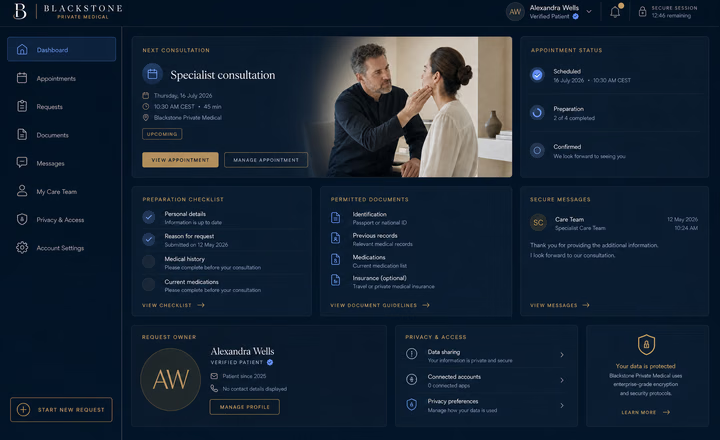
Blackstone designs a browser-based service product for known patients, approved referrers or customers who need to return to the same work. Identity, consent assumptions, document permissions and task status are defined before interface scope expands. Each submitted action becomes a shared operational record with an owner, review state and next step, so the web app reduces repeated status calls without becoming an unrestricted window into staff or clinical systems.
Separate customer and referrer access from staff permissions, with recovery and exception paths.
Capture permitted context, validation and document references against one owned service record.
Show only the next status appropriate to the user while routing operational detail to staff queues.
Commission this when known users repeatedly return, upload documents, request status or cross organisational boundaries that email and public forms cannot govern safely.
An identity and permissions map, service-record model, responsive web-app prototype, staff handoff workflow and bounded first release.
External users do not inherit workforce views, silently share data or receive sensitive information without identity, permission and release checks.
NATIVE IOS PATIENT APP
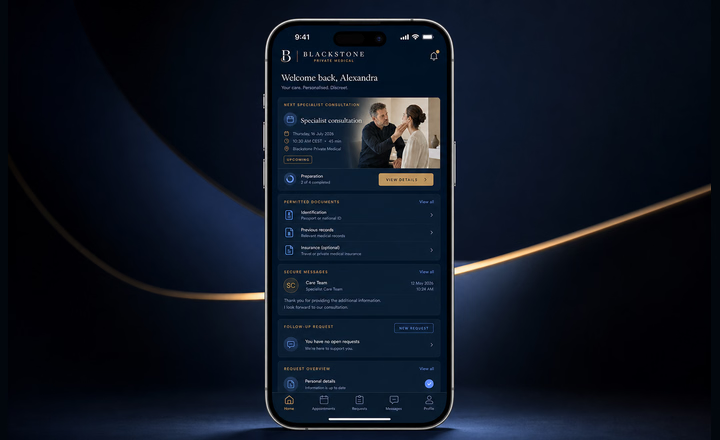
Blackstone commissions native iOS only when the relationship has moved beyond occasional browser access. A focused app can support returning-patient appointments, preparation steps, biometric re-entry and consented notifications while connecting each action to the same backend record used by web and staff systems. Camera, calendar or other device capabilities enter scope only when they resolve a real service task and can be operated within the required privacy and review boundaries.
Design sign-in, biometric re-entry, session boundaries and account recovery around the service risk.
Use notifications for time-sensitive service moments with clear purpose and controlled fallback.
Keep appointments, requests and follow-up in the same operating record as web and staff work.
Commission this when repeat mobile use, timely prompts or device capabilities materially improve the customer experience and justify a maintained native product.
A mobile use-case brief, native interaction prototype, identity and notification model, backend contract and App Store readiness path.
The app does not provide autonomous medical advice, unrestricted record access, hidden tracking or promotional notifications without a defined and consented purpose.
CROSS-SURFACE EVIDENCE
A connected product system is not proven by matching colours across devices. It is proven when the same permitted task can move from public discovery to secure action and staff resolution with its purpose, identity, record and decision evidence intact.
Intent
Identify the service question or action before choosing a screen or technology.
Surface choice
Use public web, authenticated web or native mobile according to frequency and operating depth.
Identity boundary
Separate anonymous discovery, customer access, workforce access and privileged administration.
Shared record
Carry the request, status, permitted documents and related events into one operating record.
Staff ownership
Make handoff, review and exception responsibility visible before customer trust is affected.
Evidence review
Review outcome, driver and guardrail signals without inventing a target before baseline.
COMMISSION DECISION MATRIX
Blackstone recommends the smallest useful commission that resolves the immediate constraint while preserving a path to shared identity, workflow and backend architecture where future expansion is justified.
BLACKSTONE DELIVERY
The process keeps the first release focused while resolving the decisions that otherwise surface late: product role, identity, content ownership, backend responsibility, measurement and operating handover.
Identify the customer task, current handoffs, operating cost and trust boundary creating the clearest exposure.
Assign public web, secure web, native app and backend responsibilities before interface scope expands.
Test the highest-risk journey, content, permission and staff handoff with realistic product states.
Implement the bounded product, integrations, accessible states, evidence and release controls.
Hand over owners, content review, support, measurement, privacy boundaries and expansion decisions.
PRACTICAL BUYER QUESTIONS
Blackstone separates the product decision from the technology preference, then validates privacy, accessibility, integration and operating ownership against the client environment.
Connected services
A responsive website is the right public foundation, but it should not automatically carry private records, repeatable authenticated tasks or staff administration. Those needs introduce different identity, permission, workflow and support responsibilities.
Native iOS becomes stronger when users return frequently and biometric access, consented notifications, camera, calendar or another device capability materially improves a defined service task. A repackaged website is not a sufficient investment case.
Yes, where the underlying requests, identities, documents and statuses belong to the same operating model. Each surface still receives its own permissions, interface and release boundary.
They may use related identity infrastructure, but they should not share one undifferentiated authority model. Customer, workforce and privileged administration access require separate roles, checks and recovery paths.
The client must name an accountable subject-matter owner. Blackstone structures authorship, review state and publishing controls but does not replace clinical, legal or regulatory approval.
Not automatically. Blackstone can integrate with an approved system, introduce a controlled service layer or plan a replacement where the business case and technical boundary support it.
Yes. The same decision model applies to legal, property, hospitality, field service and other specialist firms: public trust, authenticated customer work, mobile service moments and staff operations are designed around the organisation's actual workflow.
DIGITAL EXPERIENCE ARCHITECTURE REVIEW
Blackstone will identify the correct first surface, the backend and identity decisions it depends on, and the evidence required to judge whether expansion is justified.