Raw shell to buyer vision
Turn construction-state rooms, unfinished villas and empty shells into a clear finished-home story before the client has to imagine it alone.
Media / Service 19
Some businesses do not only need systems. They also need to present their work beautifully and clearly.
Overview
Digital presentation helps complex offers become easier to evaluate, discuss and share. It can support approvals, sales meetings, investor conversations, internal alignment and customer education.
AI illustration preview
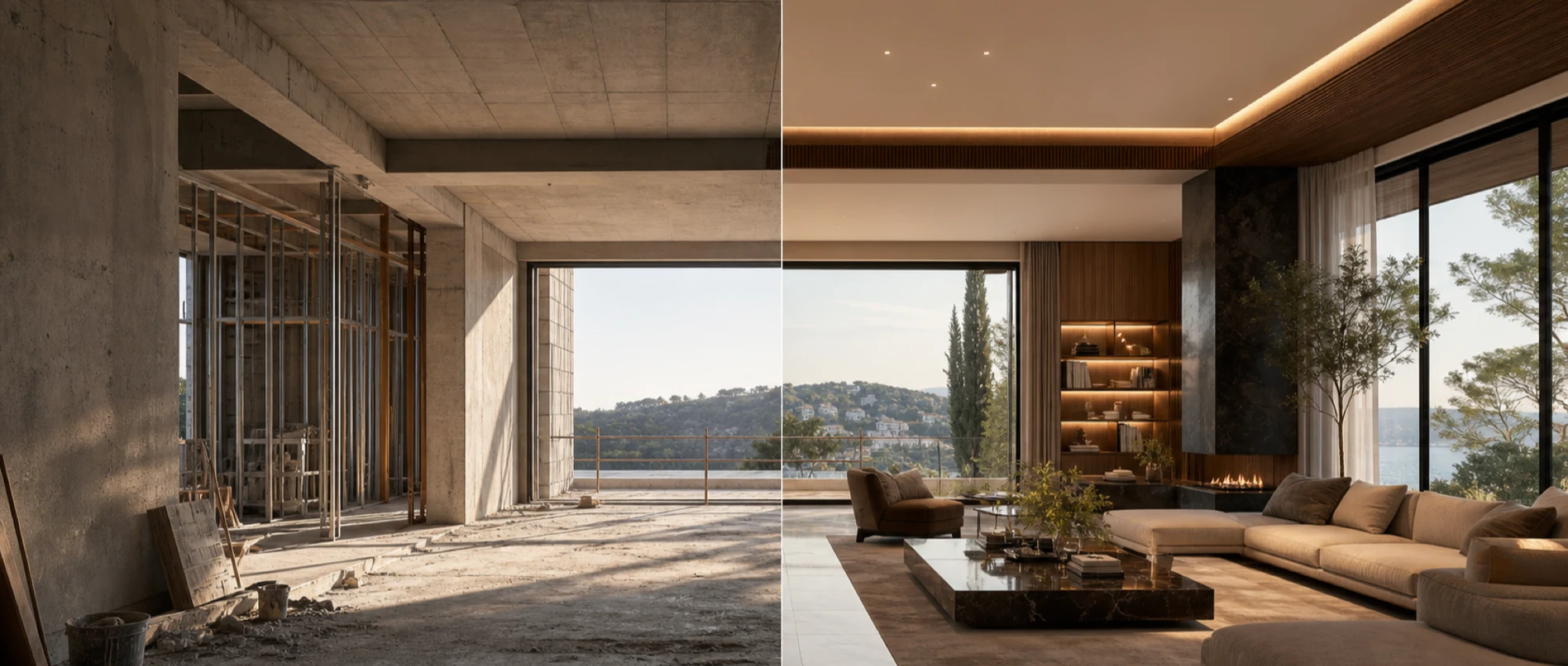
AI property visualization case study
For villas, development projects and premium renovations, an empty room or concrete shell often hides the commercial value. Blackstone Digital turns raw construction photos, vacant rooms and unfinished exterior areas into AI-assisted before-and-after visuals: furnished interiors, pool zones, planting, lighting and sales-ready presentation context. The buyer does not have to imagine the finished home alone; the page shows the lifestyle, scale and decision path before the first serious inquiry.
Turn construction-state rooms, unfinished villas and empty shells into a clear finished-home story before the client has to imagine it alone.
Show furniture direction, material warmth, lighting mood and room function so premium buyers understand how the space can feel after handover.
Extend the vision beyond the interior with pool zones, terraces, planting, outdoor lounges and arrival moments that make the project feel complete.
Create before-and-after visuals for listings, pitch PDFs, landing pages and sales conversations so the same story works across every buyer touchpoint.
Give developers, architects and craft teams a visual reference for finishes, scope conversations and stakeholder approval before expensive decisions move.
Blackstone Digital packages the visuals into a digital presentation layer where inquiries, CTA interest and project-specific follow-up can be reviewed later.
Visual selling logic
The goal is not to fake a finished property. It is to make potential buyers, owners and project stakeholders understand the design intent, investment story and sales potential while the real condition remains transparent.
Research-backed visual selling signals
These indicators use real estate staging research as a practical proxy for the value of showing buyers a finished vision. They are market signals, not guaranteed forecasts.
Buyer visualization
NAR's 2025 staging research says 83% of buyer agents report that staging helps buyers visualize a property as their future home.
Reported value support
NAR reported that 29% of agents saw a 1-10% increase in dollar value with staging. This is used as a market signal, not a promise.
Reduced time signal
49% of seller agents said staging shortened time on market, supporting visual presentation as a serious sales-enablement layer.
Source: National Association of Realtors 2025 Profile of Home Staging and May 6, 2025 NAR staging release. Based on staging research; not a guaranteed forecast.
AI property visualization investment case
For villas, development projects and premium renovations, raw construction photos, vacant rooms, unfinished exterior areas and floor-plan material often hide the commercial value. Blackstone Digital turns those inputs into AI-assisted before-and-after visuals: furnished interiors, pool zones, planting, lighting, material mood and sales-ready presentation context. The buyer does not have to imagine the finished home alone; the page shows the lifestyle, scale and decision path before the first serious inquiry.
If the job is to make unfinished property easier to understand, Blackstone Digital will recommend the visual sales layer first. Raw photos prove the real condition, finished-home visuals show the opportunity, and presentation assets turn that opportunity into a broker-ready, developer-ready or investor-ready sales conversation.
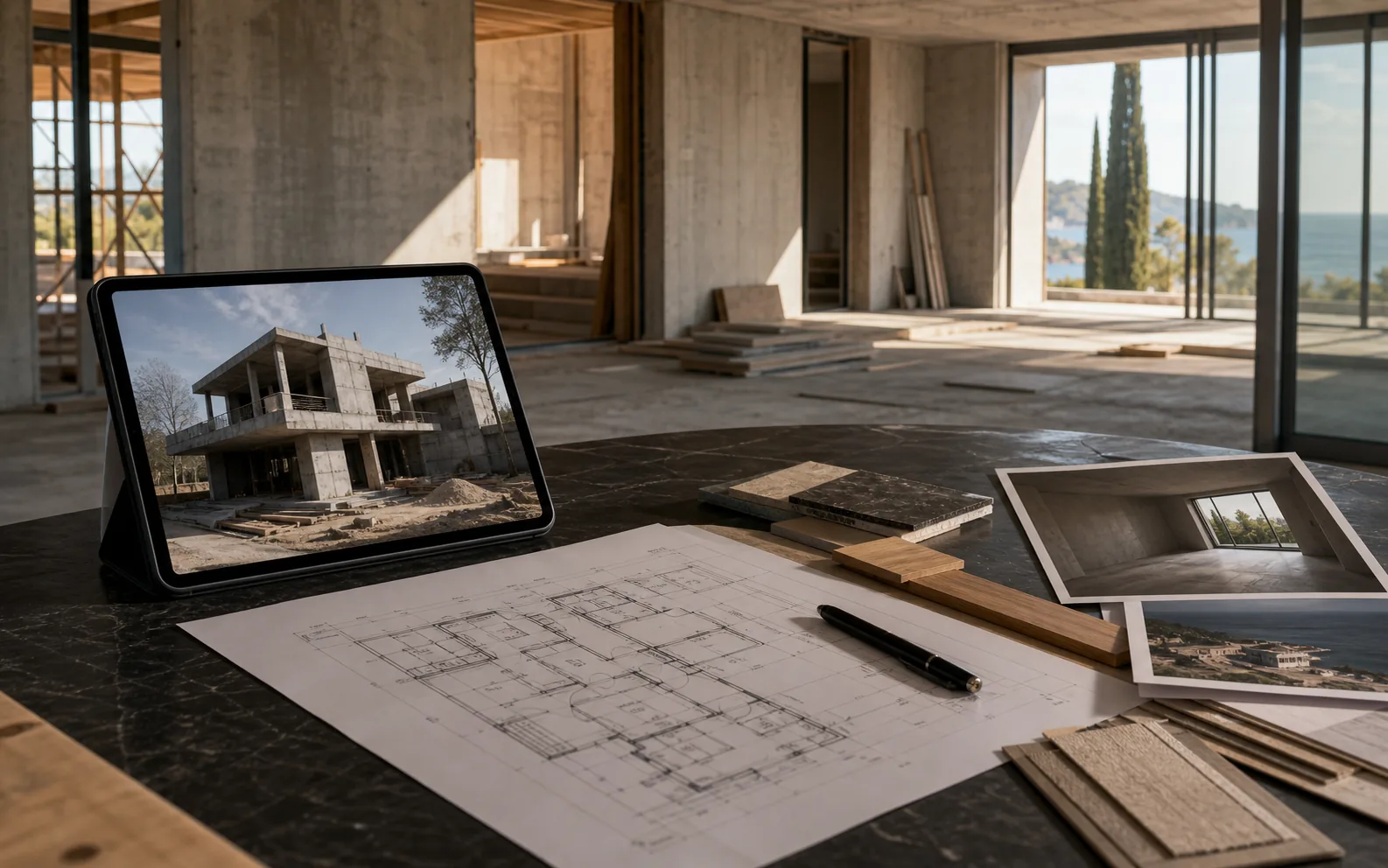
Raw Property Inputs
Start with the material the project already has: raw construction photos, empty rooms, exterior progress shots, floor plans or unfinished site images. Blackstone Digital keeps the real condition understandable while preparing it for a more persuasive visual story.
Choose this when the current state is honest but too incomplete for buyers, investors or project partners to understand the opportunity.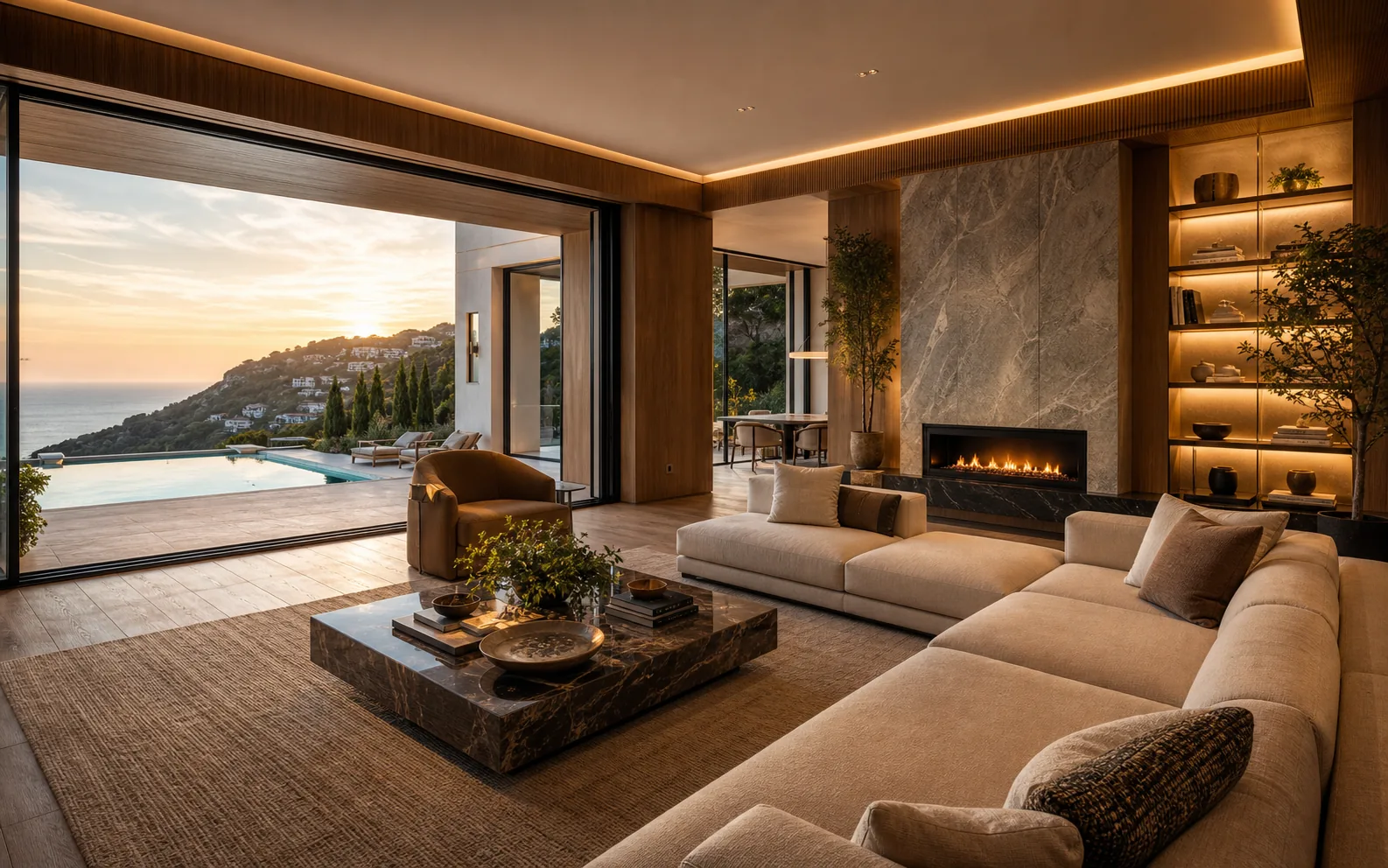
Finished-Home Vision
Show the buyer what the home can become: furnished interiors, material warmth, lighting mood, pool areas, terraces, planting and arrival moments. The goal is not to fake the property, but to make the finished potential easier to understand.
Choose this when imagination, lifestyle, scale and atmosphere decide whether a serious prospect keeps engaging with the project.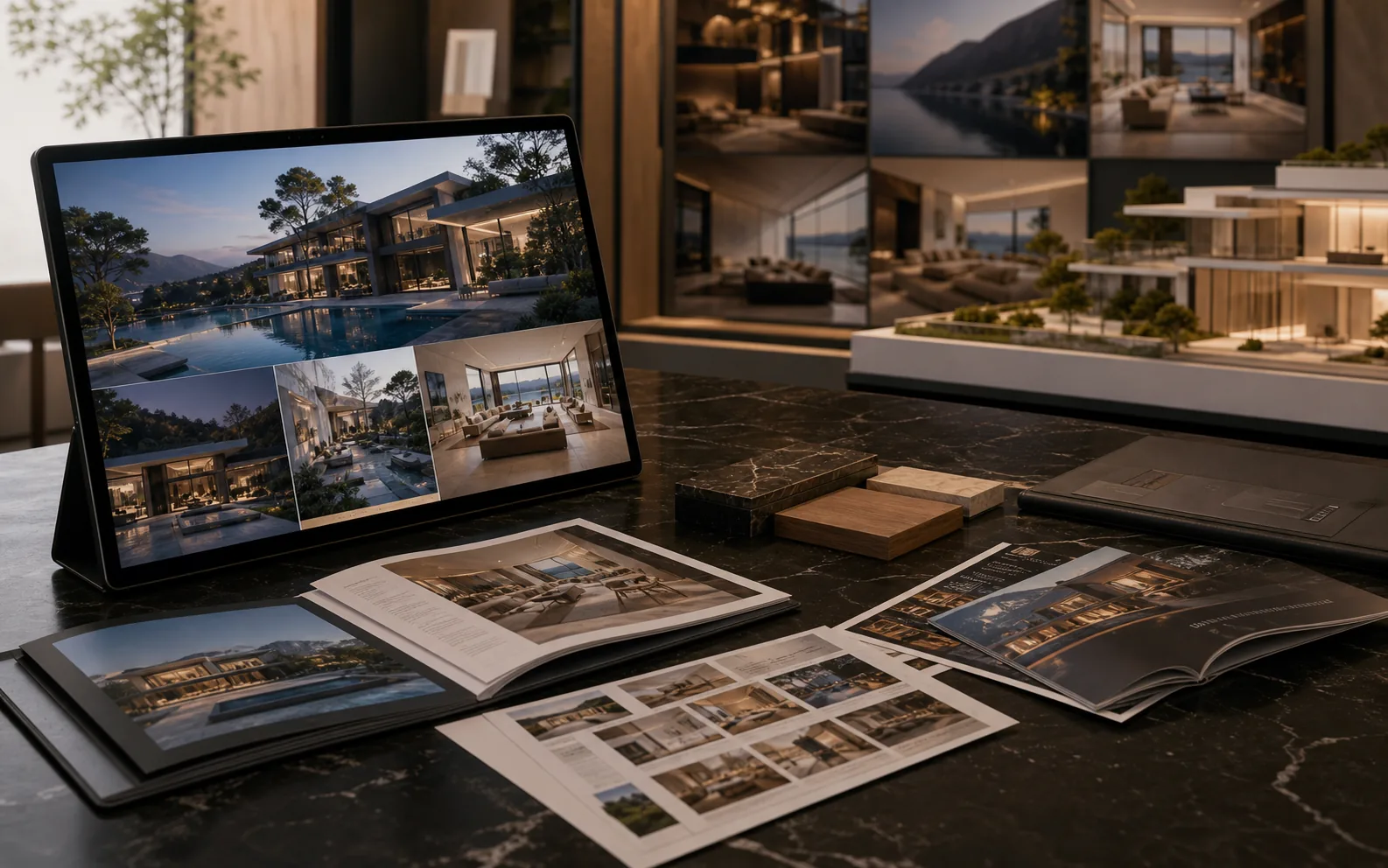
Sales-Ready Presentation System
Turn the visuals into assets a sales team can actually use: listing images, landing-page sections, pitch PDFs, broker presentations, investor updates and follow-up material that tell one consistent project story.
Choose this when the same project vision needs to work across listings, meetings, approvals, investor conversations and buyer follow-up.Decision matrix
| Decision factor | Raw Property Inputs | Finished-Home Vision | Sales-Ready Presentation |
|---|---|---|---|
| Best commercial use | Use this when existing project material is honest but too raw to explain the opportunity clearly. | Use this when the buyer needs to understand lifestyle, scale, atmosphere and finish quality before the work is complete. | Use this when visuals need to become reusable sales material across channels, meetings and follow-up. |
| Premium property example | Concrete shells, vacant rooms, exterior progress photos, floor plans and unfinished site images become a controlled input set. | Interiors, pool areas, terraces, planting, lighting and material mood show how the home can feel at handover. | The same project story can support listings, pitch PDFs, landing pages, broker decks and investor updates. |
| Buyer value | The real condition stays visible, so prospects understand what exists now and what needs interpretation. | The buyer no longer has to imagine the finished home alone; the visual story makes the opportunity easier to evaluate. | A consistent presentation reduces confusion when the project is discussed across multiple buyer touchpoints. |
| Operating depth | Input quality, source selection, angle choice, room type and disclosure boundaries are clarified before visual work expands. | Furniture direction, material language, lighting mood, exterior context and lifestyle positioning are shaped into a coherent vision. | Assets are packaged for practical use: page sections, listing imagery, sales PDFs, meeting visuals and review notes. |
| Investment rationale | Raw input preparation is a lower-risk first step because it turns available project material into usable direction before heavier spend. | Finished-home visualization can support buyer confidence before physical staging, showrooms or broad campaign investment are justified. | Presentation packaging helps the visual investment travel across the full sales process instead of living as isolated images. |
| Risk and readiness | Quality depends on clear source material, realistic expectations and keeping the current property condition understandable. | Quality depends on credible furnishing, proportion, lighting, materials and avoiding visuals that feel misleading or impossible. | Quality depends on transparency, consistent claims, accurate project context and using AI-assisted visuals as sales support, not proof of current condition. |
| Blackstone recommendation | Start here when the project already has photos, plans or progress material but the commercial story is hard to see. | Add finished-home vision when lifestyle, room function and premium positioning need to be felt quickly. | Package the assets when brokers, developers, architects or investors need one sales-ready project narrative. |
Decision scale
The existing state must stay understandable, so visual improvements do not erase what is actually built or unfinished.
The visual work should help buyers understand furnishing, room flow, exterior experience and lifestyle potential.
The project becomes easier to pitch, compare, approve and revisit when the same visual logic carries every buyer touchpoint.
AI-assisted imagery should be positioned as visualization support, not as proof of current property condition or guaranteed outcome.
AI illustration preview
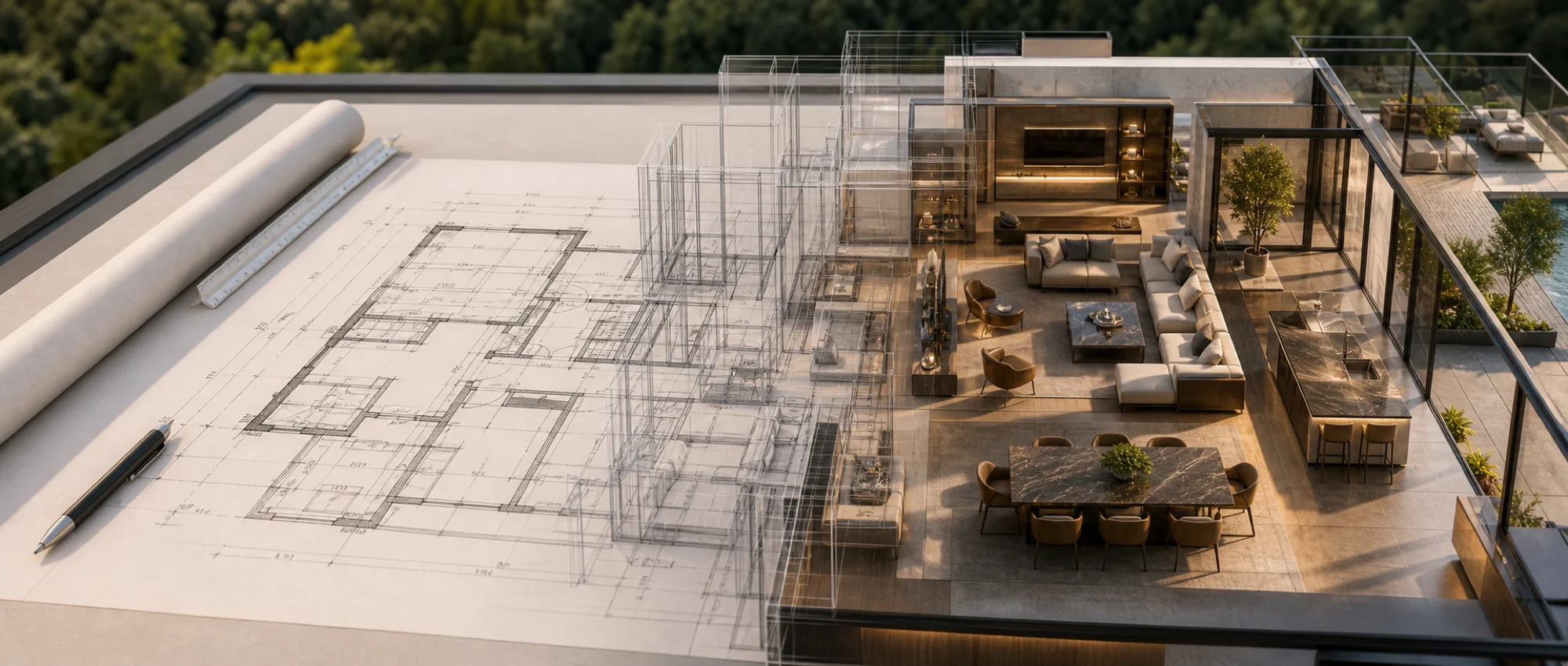
AI floor plan to 3D planning case study
For brokers, developers, architects and renovation teams, a technical floor plan can hide the real buyer value. Blackstone Digital turns 2D layouts into a 3D planning story: room flow, furniture scale, circulation, materials, light, exterior handoff and a whole-house presentation that makes the planned home easier to judge before it is built. The buyer sees how the layout works, how rooms connect and how the finished interior can feel before the first serious inquiry.
Translate architectural lines into a visual room sequence so buyers can understand ceiling height, room depth, circulation and the scale of the future home.
Place furniture concepts into the layout to show whether dining, living, sleeping and work zones feel practical, premium and easy to navigate.
Connect interior rooms, terrace, pool, garden and arrival moments into one sales story instead of leaving every sheet, render and material note to be interpreted alone.
Show surface warmth, lighting direction, window views and finish intent so a technical plan becomes a decision-ready emotional impression.
Give developers, brokers, architects and trades a shared visual reference for scope, pricing conversations, listing pages, investor reviews and client approvals.
Blackstone Digital packages the floor-plan-to-3D narrative into website sections, pitch decks, PDFs and campaign assets that make follow-up easier to measure.
Planning clarity logic
Buyers, investors and building owners should not have to interpret technical lines alone. They should understand how the house will function, how the layout will feel and how the finished concept can be sold before expensive physical staging or showroom decisions are made.
Research-backed screen appeal signals
These indicators combine listing-media and staging research as practical evidence for clearer visual presentation. They are market signals, not guaranteed forecasts.
Interactive listing premium
A Zillow-reported Listing Showcase signal, cited by RealSimple, links high-resolution photos, 3D Home Tours and interactive floor plans with a 2% sale-price premium. Use as screen-appeal context, not a forecast.
Buyer visualization
NAR's 2025 Profile of Home Staging says 83% of buyer agents report that staging helps buyers visualize a property as their future home.
Reduced time signal
NAR's May 2025 staging release says 49% of seller agents reported shorter time on market when staging was used. This supports clearer presentation, not guaranteed speed.
Sources: NAR 2025 Profile of Home Staging, NAR May 2025 staging release, and Zillow-reported Listing Showcase screen-appeal data. Research signals only, not guaranteed forecasts.
3D floor plan render investment case
For brokers, developers, architects and renovation teams, a technical floor plan can hide the real buyer value. Blackstone Digital turns 2D layouts into a premium 3D planning story: room flow, furniture scale, circulation, materials, light, exterior handoff and a whole-house presentation that makes the planned home easier to judge before it is built.
If the job is to make a planned property easier to understand and easier to sell, Blackstone Digital will recommend the 3D render layer first. Buyers should not have to interpret technical lines alone; they should see how rooms connect, how the interior can feel and why the project deserves serious attention before the first inquiry.
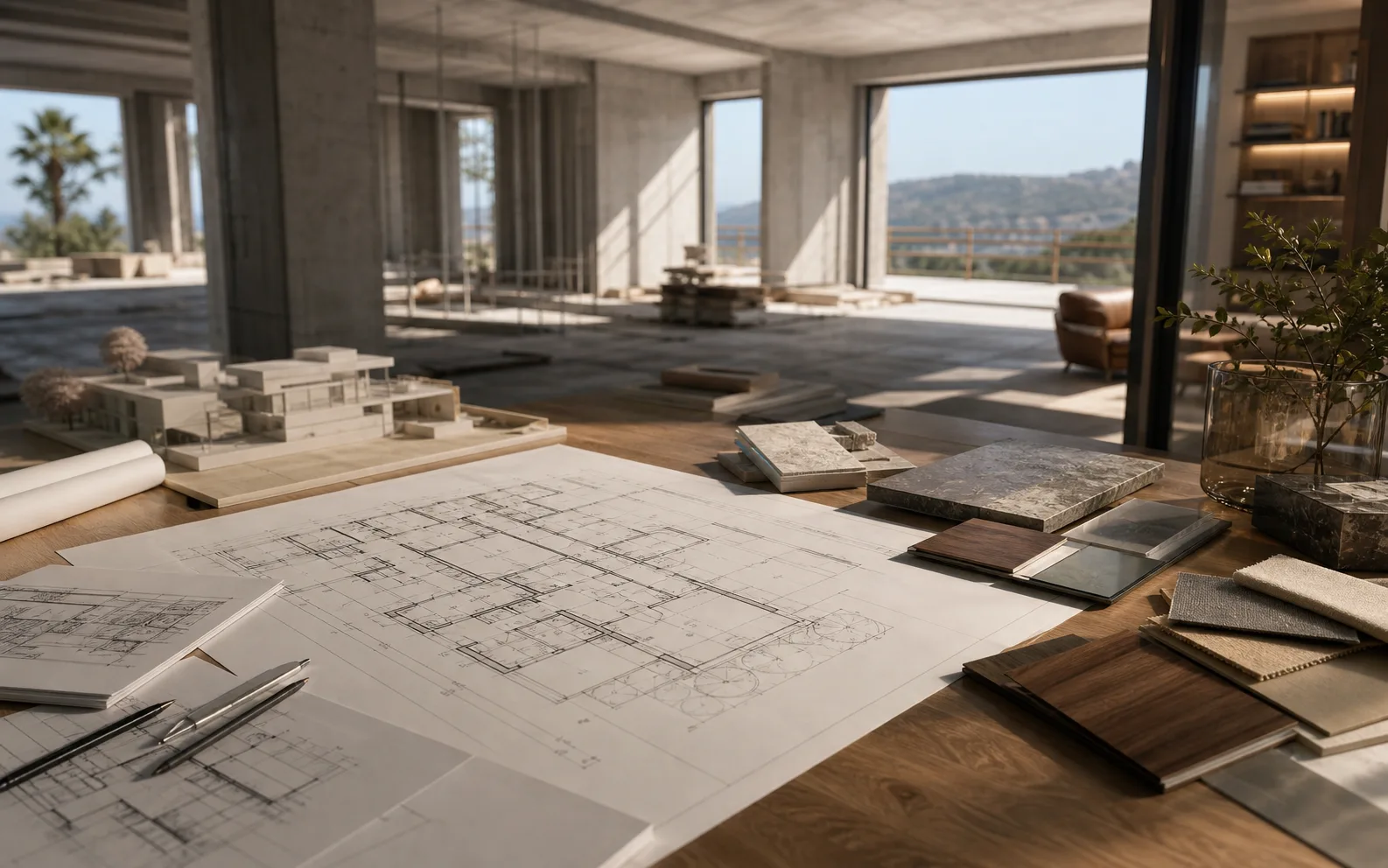
Floor Plan Inputs
Start with the material the team already has: floor plans, sections, room schedules, measurements, exterior references and construction context. Blackstone Digital turns those inputs into a clear 3D render brief before visual production expands.
Choose this when the technical material is accurate but too abstract for buyers, investors or project partners to understand the future home.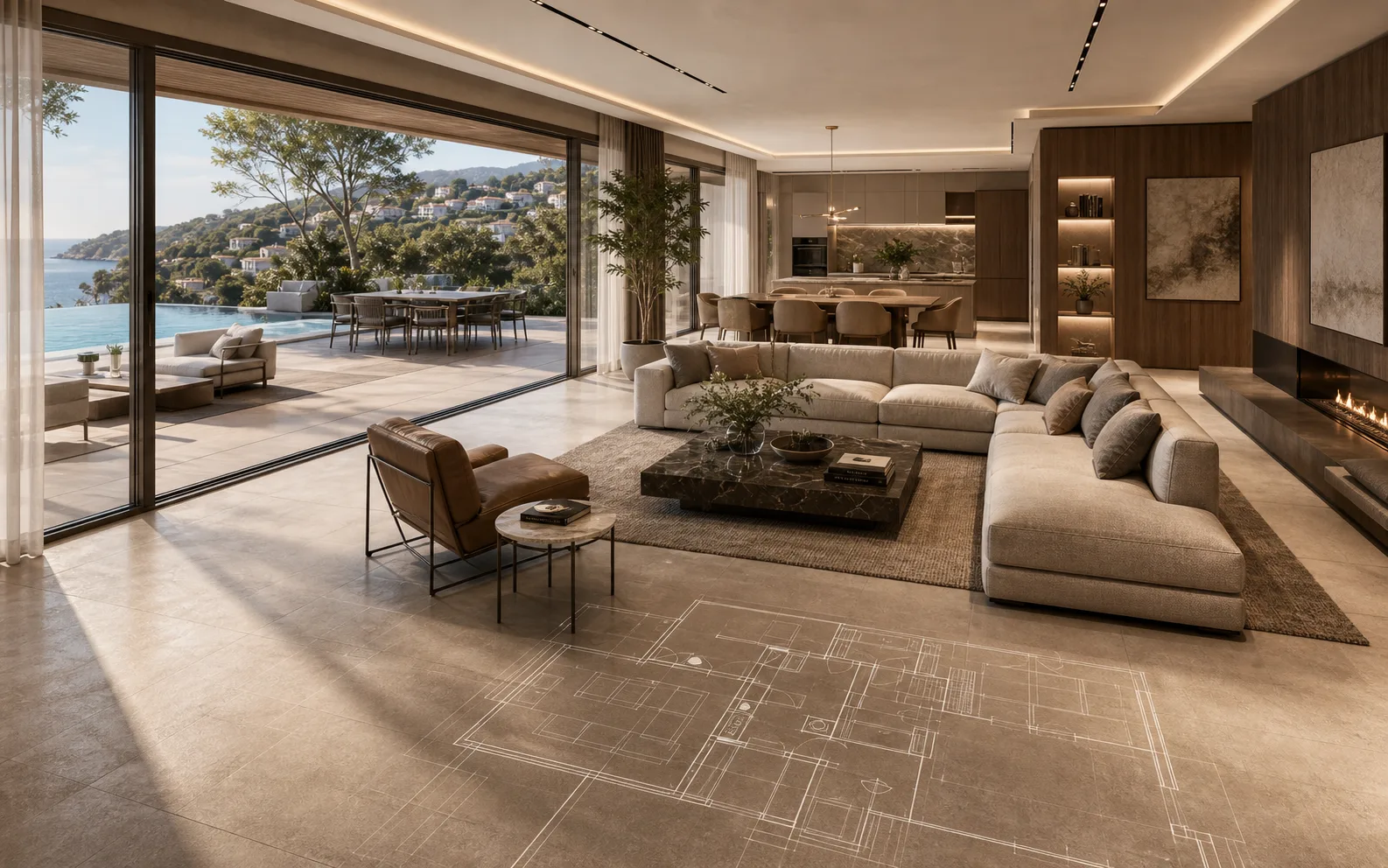
Furnished 3D Planning
Furniture, circulation, room proportions, window views, lighting and material warmth make the plan readable as a future living experience. The render helps prospects judge whether the home feels practical, premium and worth pursuing.
Choose this when layout confidence, room flow and emotional buyer understanding matter before the project is physically complete.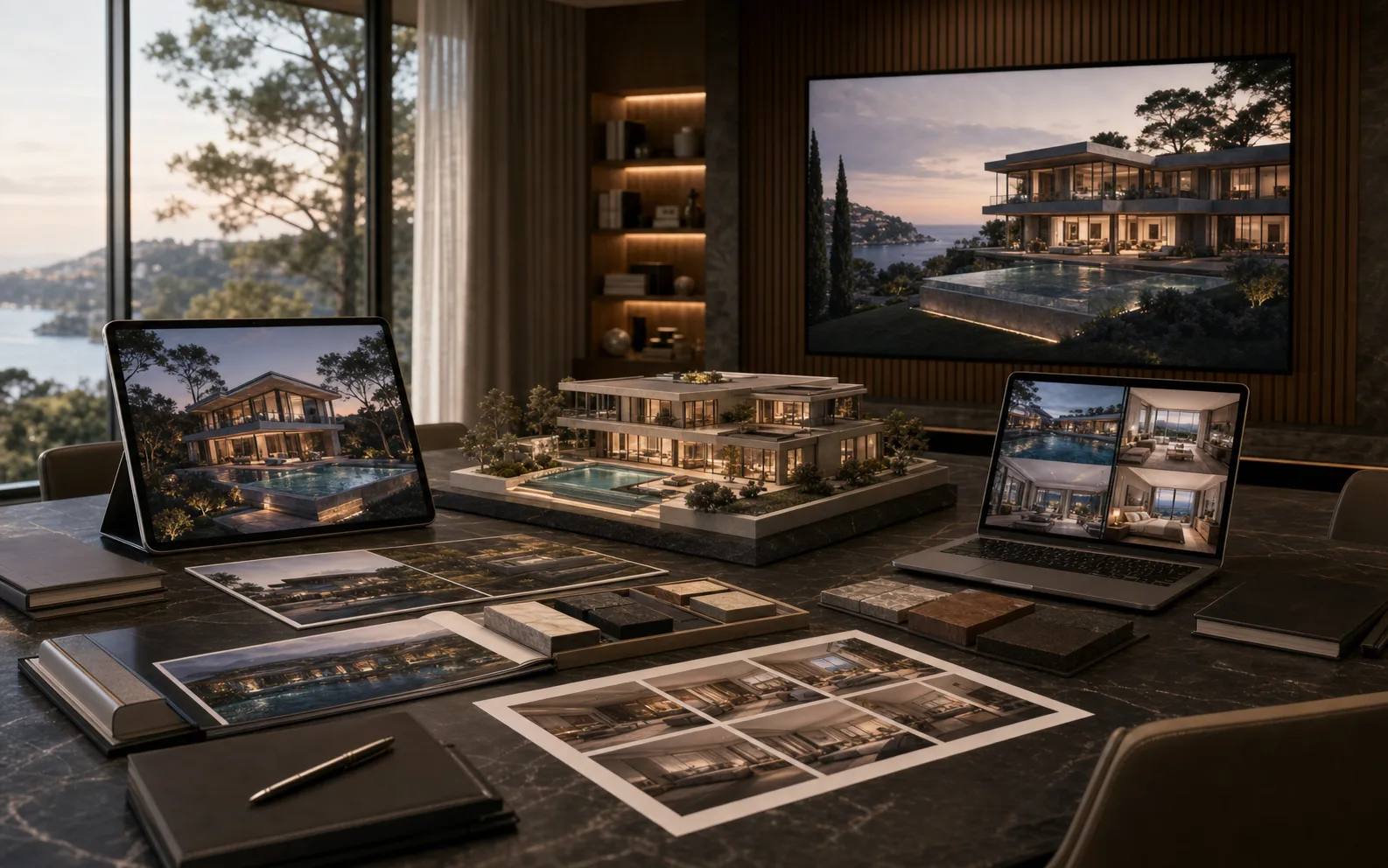
Sales-Ready Render System
Blackstone Digital packages the render narrative into website sections, broker decks, pitch PDFs, expose visuals, investor updates and campaign assets so the same spatial story works across every serious buying conversation.
Choose this when developers, brokers, architects and renovation teams need one polished story for listings, approvals and follow-up.Decision matrix
| Decision factor | Floor Plan Inputs | Furnished 3D Planning | Sales-Ready Render System |
|---|---|---|---|
| Best commercial use | Use this when accurate plans and project facts need to become a clear render brief. | Use this when buyers need to understand layout, scale, atmosphere and finish quality before the build is complete. | Use this when renders must support listings, meetings, investor reviews and buyer follow-up. |
| Premium property example | Plans, sections, room schedules, measurements, site references and construction context become a controlled input set. | Living, dining, sleeping, terrace and pool moments are visualized with furniture, circulation, light and material mood. | The same 3D story becomes website imagery, broker decks, pitch PDFs, expose visuals and approval material. |
| Buyer value | The buyer no longer has to decode technical drawings without context. | The buyer can see how rooms connect, how scale feels and how the finished home could support daily living. | The buyer receives a consistent story across digital pages, documents and sales conversations. |
| Operating depth | Input quality, room naming, view angles, scope boundaries and reference material are clarified before render work expands. | Furniture scale, circulation, lighting, finishes, window views and exterior handoff are shaped into a coherent 3D scene. | Assets are organized for practical use across web, PDF, pitch, investor and sales-review touchpoints. |
| Investment rationale | A strong render brief lowers waste by aligning the project story before expensive visual production starts. | Furnished 3D planning can create buyer confidence before a show apartment, physical staging or large campaign spend is justified. | A sales-ready render system helps the visual investment travel through the whole transaction process instead of living as isolated images. |
| Risk and readiness | Quality depends on readable plans, realistic dimensions, clear scope and honest source context. | Quality depends on credible room proportions, furniture scale, lighting, materials and avoiding impossible finishes. | Quality depends on consistent claims, proper disclosure and using renders as planned-state visualization, not proof of current condition. |
| Blackstone recommendation | Start here when the project has plans but the commercial value is hard to see. | Add furnished 3D planning when the buyer needs to feel the future home before it exists. | Package the render assets when brokers, developers, architects or investors need one polished project narrative. |
Decision scale
Plans, dimensions, room logic and project intent need to be clear enough to support believable spatial visualization.
The render should help buyers understand flow, furniture scale, ceiling feel, views and how the home will function.
The project becomes easier to pitch, approve and compare when the same render logic carries the website, deck and follow-up material.
Renderings should be positioned as planned-state visualization, not as proof of current condition or a guaranteed transaction outcome.
Digital Systems Review
A review phase can sort the existing website, documents, forms, spreadsheets, customer questions and workflows, then turn them into the first useful build.